Thirteen cattle are the next test for the women of Kimatwa
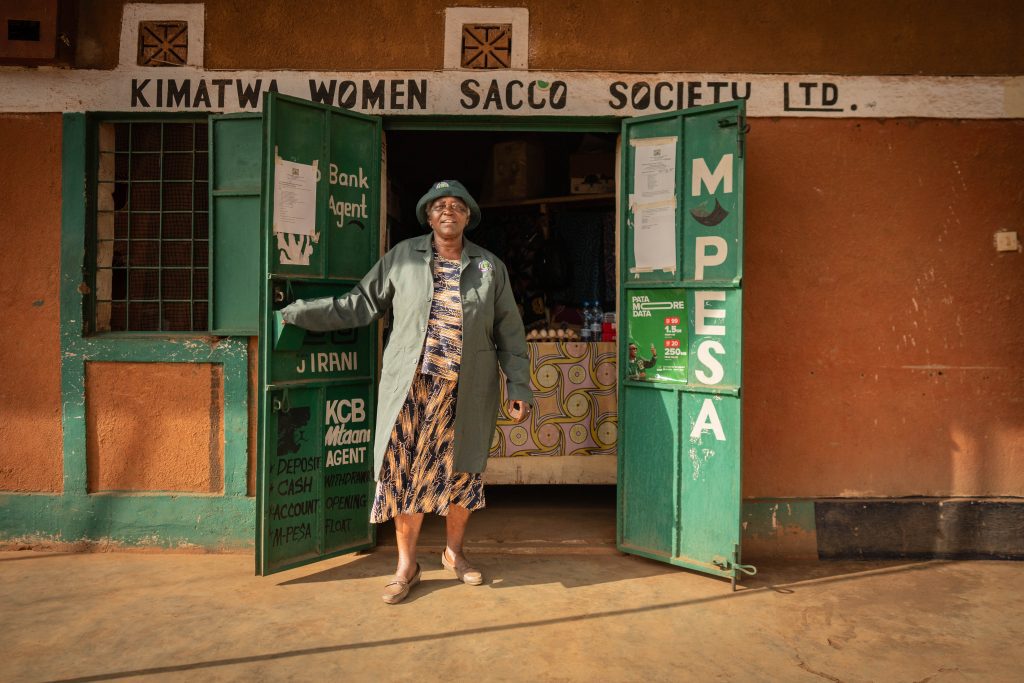
During an eight-hour meeting of Kimatwa Women SACCO’s leaders, the women asked: “Can we fatten cattle too?”
Theresia Mgonze, the group’s chairperson, thought about the tractor they had saved for two years to buy. “If we follow what we were taught, we can,” she replied. “Didn’t we buy a tractor? If we could do that, we could do this too.”
Most Kimatwa members farm in Makueni County. They borrow money to plant, but the rain can disappear just as their crops begin to flower. When harvests fail, members struggle to repay their loans. The drought weakens both their farms and the SACCO.
“Where is this road taking us?” Theresia and the other leaders had begun asking themselves. “We were lending money, but what we invested in was not producing returns.”
The group first tried to make farming more reliable through conservation agriculture. The method required equipment none of the women could afford individually, so members pooled their savings, travelled to Nairobi and bought a new Case 75 tractor. It improved their farming and showed what they could buy together.
A plan for cattle
Kimatwa’s work caught the attention of county livestock officers, who invited Theresia to a three-day workshop in Kitui organised through the De-Risking, Inclusion and Value Enhancement of Pastoral Economies (DRIVE) project. “I didn’t know what DRIVE was,” she says. “But leaders don’t turn down an opportunity like that.”
The workshop introduced Theresia to cattle fattening. Families in her community often sold their animals as drought approached. With little pasture available, cattle lost weight and value. Selling during a drought also meant accepting lower prices. The money rarely lasted until the rain returned, and some families eventually sold land to rebuild their herds.
Theresia learned that the women could buy young, healthy animals, record their weight and health, feed them intensively for two or three months and sell them after they gained weight.
She also learned about index-based livestock insurance. The insurance can pay when drought conditions in an area cross an agreed threshold, giving livestock keepers money to buy feed before their animals lose condition.
Theresia returned to Kimatwa with the idea of a cattle-fattening business. After the women agreed to pursue it, the county livestock director connected them with a livestock production officer. He spent two days helping the group calculate the cost of each animal, the feed it would consume, the weight it could gain and the price it might fetch after three months.
The numbers suggested that the business could work. The women still had to raise the money.
They began saving again. Renting land would reduce their returns, so they pooled their money and bought a plot. Livestock and cooperative officers then helped them prepare a feedlot business plan.
A feedlot share cost KES 10,000, and Theresia bought ten. Members’ savings, registration fees and shares financed the land and cattle.
DRIVE, a World Bank-financed project implemented in Kenya by the Government of Kenya, county governments and ZEP-RE, trained the women, connected them with livestock officers and introduced them to livestock insurance.
With the land bought and the plan written, the women needed fodder.
The money that moved the hay
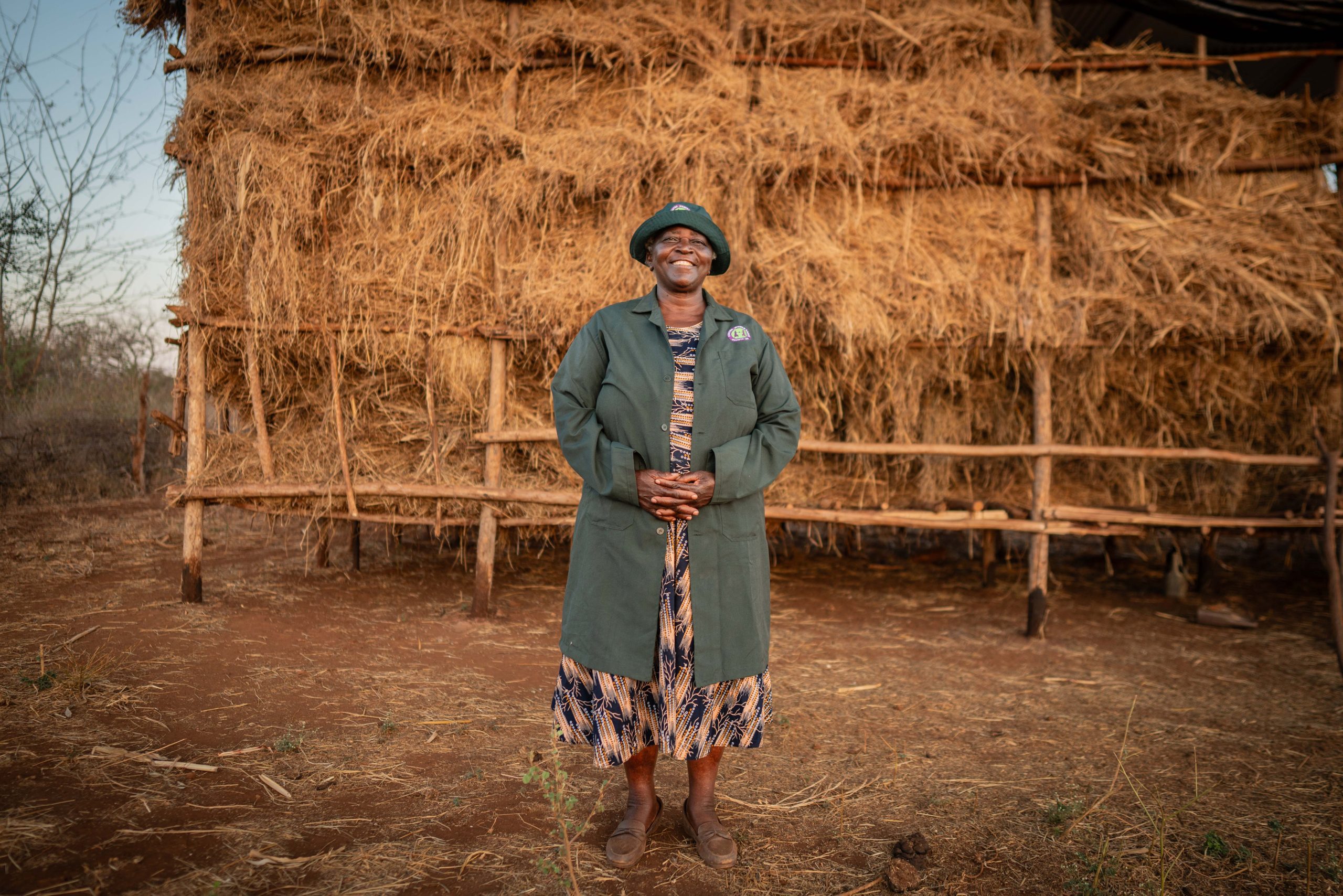
Two Kimatwa members trained to help local livestock keepers enrol in insurance. The SACCO earned commissions from that work.
The money was in Kimatwa’s account when the county invited the group to collect grass from the Makueni showgrounds at no cost. Kimatwa had no grass cutters, workers or transport, so it used part of the income to buy cutting equipment, hire workers and move the hay to its land. The group lent another portion to members to establish pasture on their farms.
Neighbouring cattle began entering at night to eat the stored hay. Kimatwa fenced the storage area and hired a worker to guard it. The women realised that he could protect the fodder and tend their cattle. In February 2026, they went to the local market and bought 13 young animals.
The women also began preparing differently for drought. They learned to match the size of their herd to the land and fodder available, store grass while it was plentiful and insure enough animals to make a drought payment useful.
“Insurance opened our eyes,” Theresia says. “When drought comes, it gives you money to buy feed. We learned to store feed for livestock the same way we store food for ourselves. A person can go to a shop and buy flour for porridge. Where will a cow buy its food?”
Theresia tested the feeding model at home. She bought an animal for KES 100,000 and fed it on cut Napier grass, green maize and dry matter from her irrigated plot. “I saw that it was possible,” she says.
Members later formed Twakima, a farmers’ cooperative, to manage production and sales. The venture has attracted new members and hired people to tend cattle, cut fodder, prepare land and build terraces. “DRIVE helped Kimatwa give birth to a child, and we named that child Twakima,” Theresia says.
The group has yet to sell its first animals. The first sale will show whether the cattle bring in more than they cost to buy and feed. For now, 13 cattle stand on land the women own, eating fodder they collected and stored.
“We will make it,” Theresia says. “We will keep moving, and we will make it.”
The tractor proved they could buy together what none could afford alone. The cattle are the next test.