No One Filed a Claim. 71,290 Pastoralist Families Got Paid Anyway.
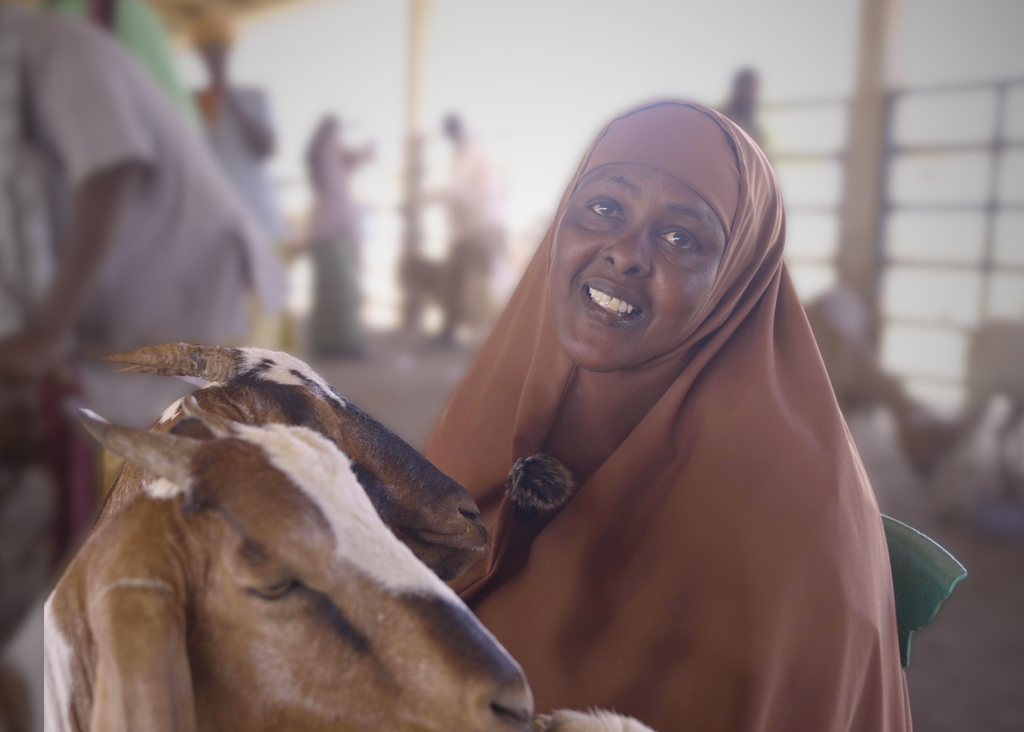
When the October–December rains failed across the Horn of Africa, 71,290 pastoralist families didn’t have to wait. By the time governments gathered to announce what had happened, they had already been paid.
Nine million dollars, three countries, one week.
Here is how it happened.
Satellites follow pasture availability throughout the season. When the 2025 Short Rains failed, they confirmed what herders were experiencing, that the pasture was gone. The pasture index crossed the drought threshold, and the system did the rest: payouts released, reaching households across Ethiopia, Somalia, and Kenya before a single announcement had been made. No one filed a claim, no assessor was dispatched.
This was insurance purchased by pastoralists, triggered by satellite data, and paid.
Behind it is DRIVE, the De-Risking, Inclusion and Value Enhancement of Pastoral Economies initiative, financed by the World Bank and implemented by ZEP-RE alongside the governments of Ethiopia, Somalia, and Kenya. This was its largest-ever payout cycle.
Adama, Ethiopia — 24 February ETB 463 million. Approximately USD 3 million. 26,929 households.
For Ethiopia, it was the country’s largest-ever payout under index-based livestock insurance.
Dr. Fikru Regassa, State Minister for Agriculture, called it a promise kept. Ethiopia had subsidised premiums, backed the product, trusted the mechanism and the mechanism had just delivered the country’s largest-ever index-based livestock insurance payout.
“In Ethiopia, livestock is more than how a family earns, it is who they are. Protecting that is the duty of a government that takes its people seriously.” — Dr. Fikru Regassa, State Minister, Ministry of Agriculture, Federal Democratic Republic of Ethiopia.
“Climate finance works when it is built around the people it is meant to serve. That is the standard the world should be setting.” — Bisrat Teshome Mekonnen, Senior Private Sector Development Specialist, The World Bank.
Mogadishu, Somalia — 2 March USD 3.88 million. 17,734 pastoralists. The largest single payout in DRIVE’s history.
Announced at an iftar gathering during Ramadan, the biggest-ever disbursement under a Sharia-compliant Takaful drought index product, anywhere. Payments reached pastoralists through digital accounts, many opened for the first time, the majority held by women. In a country where formal insurance barely existed a few years ago, thousands of pastoral households now hold digital financial accounts connected to a system that responds automatically when climate shocks strike.
“This payout shows that the Takaful product works. When drought hits, support reaches pastoral families immediately.” — Suleiman Sheikh Umar, Director General, Ministry of Finance, Federal Government of Somalia.
Nairobi, Kenya — Payout disbursed to over 20,000 households, announcement forthcoming The money, as always, did not wait.
Behind every payout sits capital.
In this case, it is the reinsurance capacity of ZEP-RE, African capital underwriting risk across the Horn of Africa at a scale that did not exist just three years ago. Governments in all three countries entrusted their pastoralist protection programs to an architecture that an African reinsurer helped design, capitalize, and operate.
“This is a fund that came from a Takaful system, contributions paid, risk transferred, data triggered, payout delivered. That pipeline exists because African reinsurance capacity made it possible.” — Hope Murera, Group Managing Director & CEO, ZEP-RE.
“If this financial product can work here, it can work anywhere.” — Sonia Plaza, Senior Economist, The World Bank.
This is no longer a pilot. What is taking shape is climate risk infrastructure for the continent and it is just getting started.
71,290 families did not have to sell their animals. That is what climate risk infrastructure looks like when it works.