What Will It Take to Expand Inclusive Insurance Across Africa?
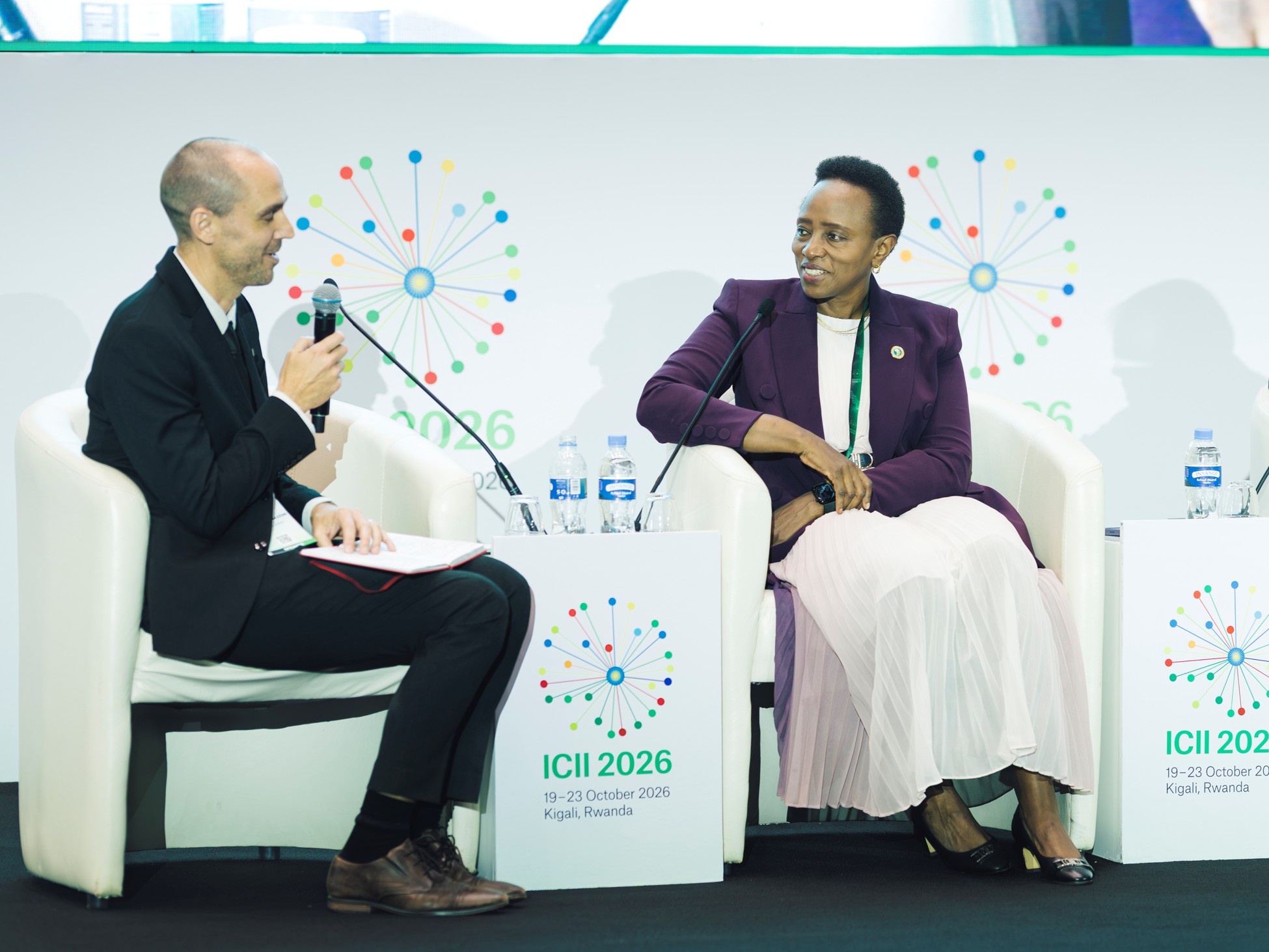
Hope Murera, ZEP-RE MD and Group CEO participating in the plenary session, ‘The landscape of microinsurance in an era of mega events; Delivering protection at the last mile’
“You cannot reinsure or provide capacity for what isn’t there.”
That was the message from ZEP-RE Managing Director and Group CEO Hope Murera at the International Conference on Inclusive Insurance 2026 held in Kigali from 19 to 23 October.
Her point was; insurance markets need more than risk capacity to grow. They also need suitable products, distribution networks, financial services and conditions that allow insurers to reach underserved communities.
Hope explained how ZEP-RE engages governments and regulators to address barriers to insurance growth. Its annual regulators’ forum has grown from five regulators to nineteen, providing a platform to discuss market challenges, share experience, and strengthen regulatory conditions.
She cited the De-risking, Inclusion and Value Enhancement of Pastoral Economies (DRIVE) project, financed by the World Bank and participating governments, as an example of regional cooperation. Across the Horn of Africa, the project brings together public institutions, financial service providers, insurers and reinsurers to extend drought insurance and Takaful (insurance based on Islamic principles) to pastoralists.
ZEP-RE implements its insurance and financial services component, supporting access to savings accounts and mobile wallets. By bringing countries together, DRIVE has also achieved the scale needed to attract international reinsurance capacity.
At a ZEP-RE-convened session, George Odera, Head of Inclusive Solutions, described insurance as a “silent enabler” of economic prosperity. He emphasised the importance of working through institutions and networks that communities already trust.
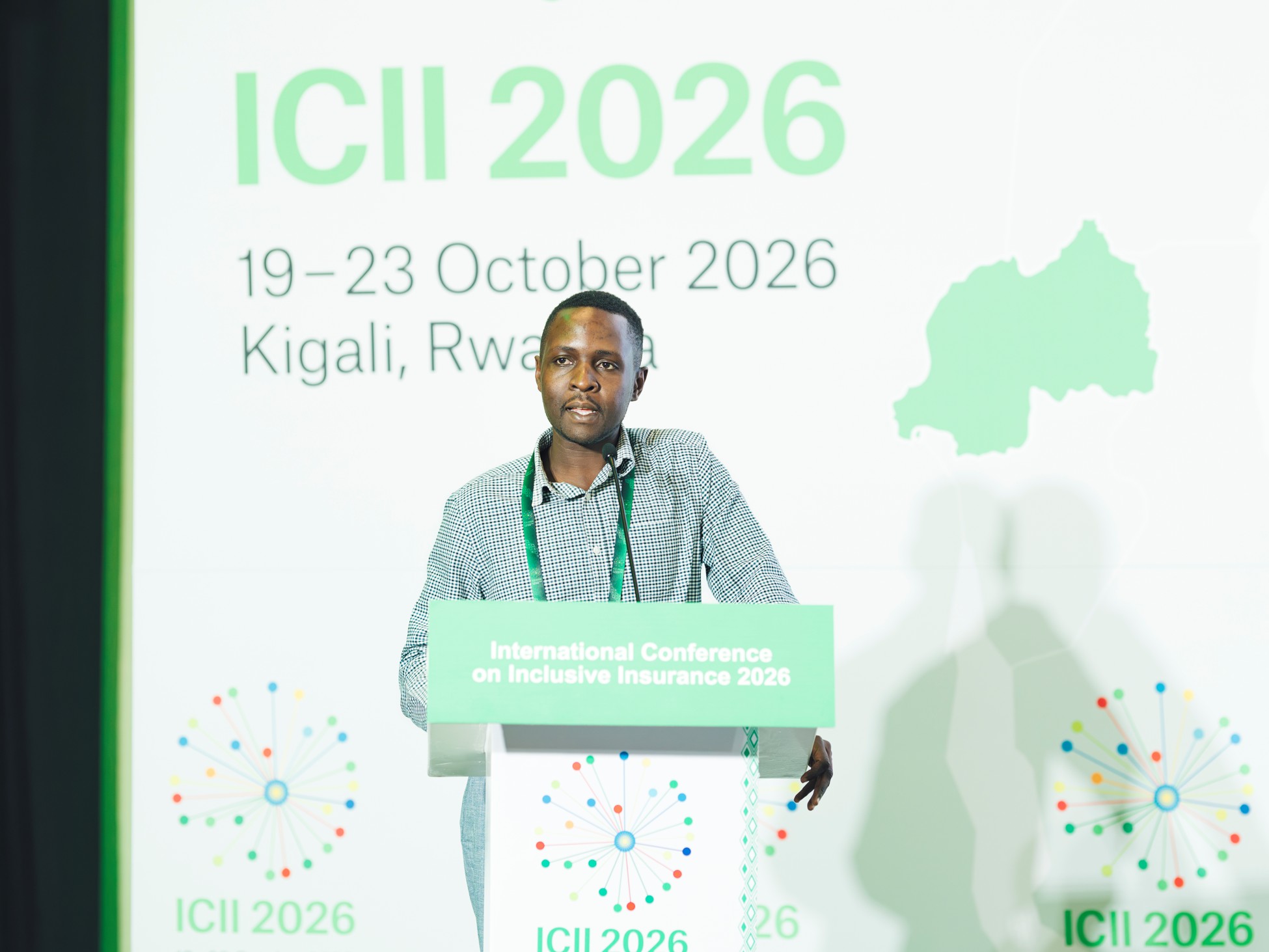
George Odera presenting during the ZEP-RE-sponsored panel discussion.
Through its partnership with FSD Africa’s BimaLab Accelerator, ZEP-RE provides risk capacity, product design and pricing expertise, and connections to market partners to help insurance innovators bring their solutions to customers.
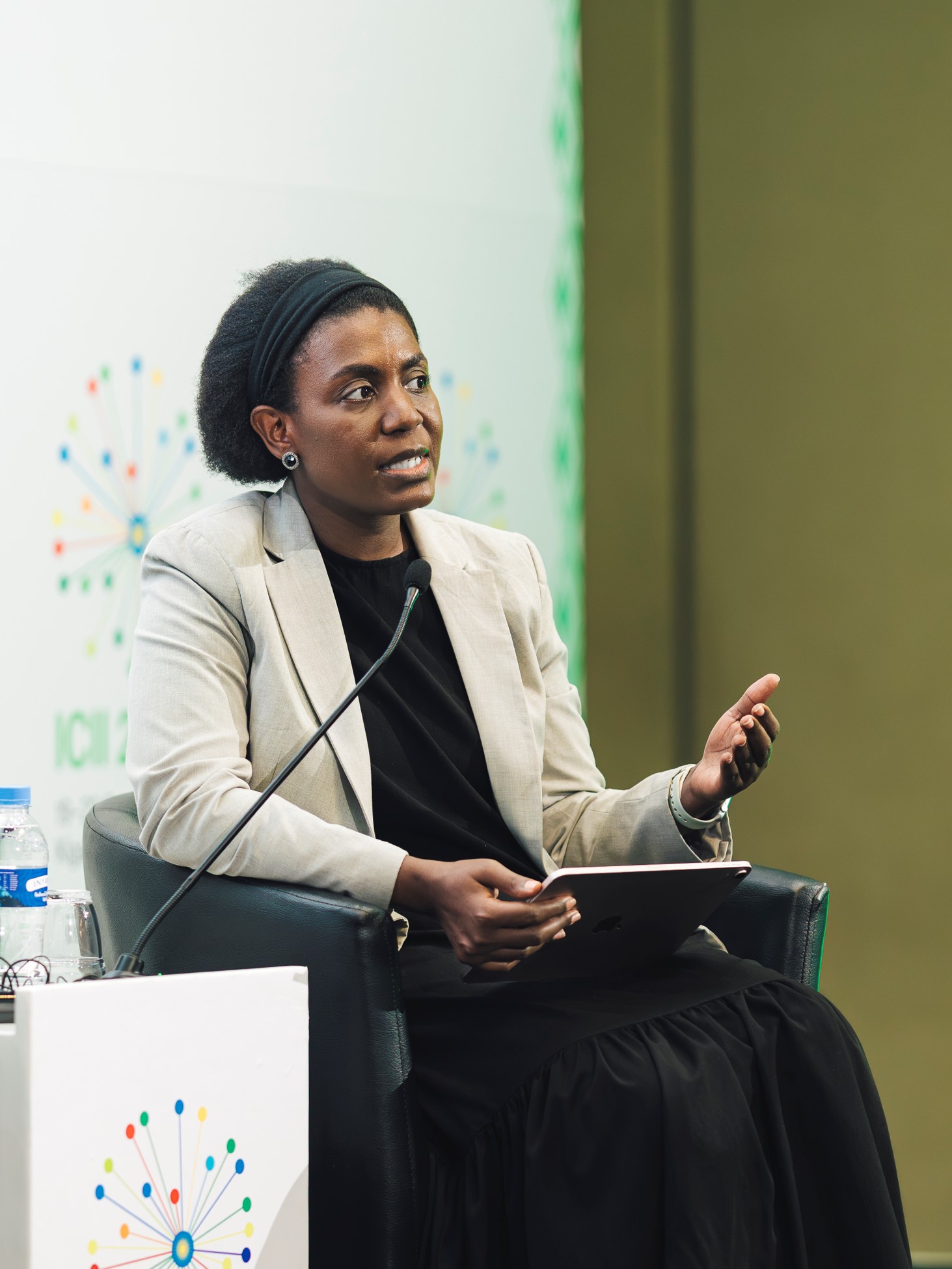
Linet Odera, ZEP-RE’s Group Chief Public Sector and Inclusive Solutions, addressed two challenges in agricultural insurance: A farmer may need insurance but have no cash to pay for it when the planting season begins, and even when that farmer can pay, the cost of insurance may be higher than it needs to be.
Linet Odera emphasising a point during the panel discussion.
Through Grain for Premium in Zambia and Zimbabwe, farmers can use part of their harvest to pay for insurance for the following season. ZEP-RE is also developing an Agriculture and Climate Risk Facility to reduce costs across the insurance value chain, retain more agricultural risk in Africa and mobilise financing to expand coverage.
“We need to use the right capital for the right thing,” Linet said.
Grants and technical assistance can support product development, while catalytic capital can help attract commercial investment.
Rhoda Rubaiza DRIVE Project Lead, speaking on a panel during ICII 2026.
Keeping customers insured presents a further challenge. When the rains are good and no drought payouts are triggered, some pastoralists question the value of renewing their insurance.
At ICII, DRIVE Project Lead Rhoda Rubaiza described how the project responded with a profit-sharing mechanism that offers a discount on the next premium or cashback during seasons without payouts.
In Kenya, 52% of the previous year’s participants renewed their cover in the first season the discount was tested. In Ethiopia, 53% renewed after two seasons.
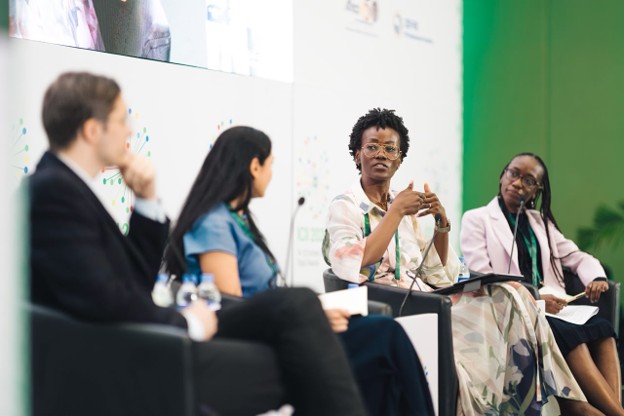
At the closing plenary, ZEP-RE Associate Director, Partnerships, Sheila Byenkya, explained how insurance products that overlook women’s risks can lead to lost customers and missed business opportunities.
She cited ZEP-RE’s work with women in village savings and loan associations in Zambia, where their experiences help inform insurance product design.
“Know the woman. Design for her,” she said.
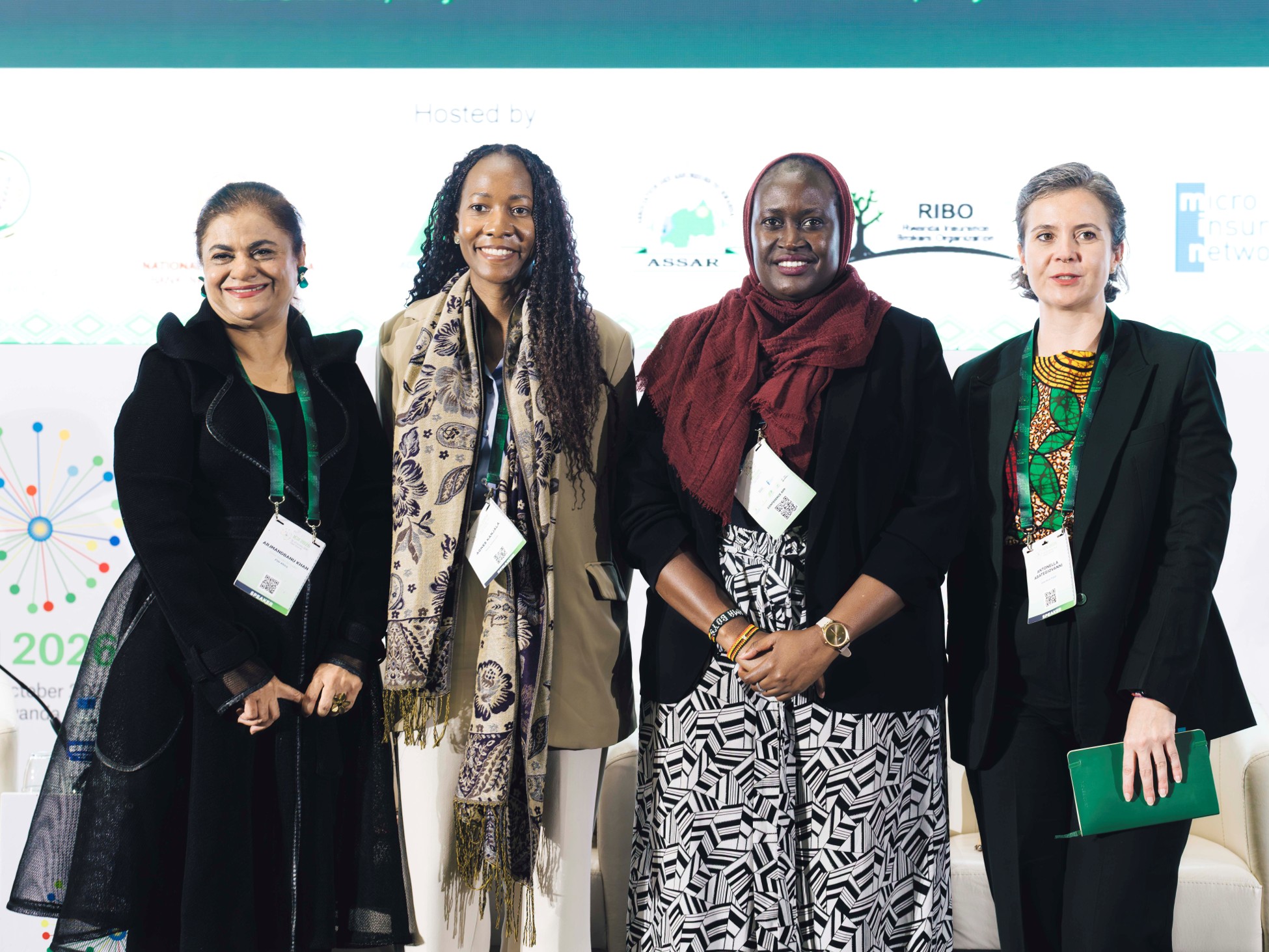
Sheila Byenkya (second from right) with fellow panelists.
Together, these contributions show what it takes to expand inclusive insurance across Africa. Markets must attract investment, reach underserved communities and provide protection people can afford and maintain.
For ZEP-RE, the priority is to strengthen the partnerships, financing and regional cooperation needed to bring that protection to more Africans.
At the end of each plenary, panelists were interviewed on their key takeaways. Click the link to Watch our speakers .
On the sidelines of the conference, ZEP-RE joined Rwanda’s Ministry of Finance and Economic Planning (MINECOFIN) and the National Bank of Rwanda (NBR) to launch Inclusive, Climate-Responsive Insurance Solutions (ICRIS) for SACCOs.
Speaking at the launch, ZEP-RE Managing Director and Group CEO Hope Murera said:
“ICRIS brings insurance closer to people through the SACCO ecosystem they already know and trust.
By building on Rwanda’s digital infrastructure, regulatory leadership and strong member relationships, we can make insurance more accessible, affordable and relevant, particularly for women, young people, farmers, MSMEs and communities that traditional insurance has not reached.”